Kicking off with 10-Minute Meditation Exercises for Stress-Free Living, this quick guide dives into effective techniques to help you relax and unwind in just a few minutes each day. From breathing exercises to visualization techniques, discover how these practices can transform your daily routine for the better.
Introduction to Meditation
Meditation is a powerful practice that has been used for centuries to promote relaxation, reduce stress, and enhance overall well-being. By incorporating meditation into your daily routine, you can experience a wide range of benefits that will positively impact your physical, mental, and emotional health.
The Benefits of Meditation for Stress Relief
- Reduces the production of stress hormones like cortisol
- Promotes a sense of calm and relaxation
- Improves focus and concentration
- Enhances self-awareness and emotional regulation
How Meditation Can Improve Overall Well-being
- Boosts immune system function
- Increases feelings of happiness and contentment
- Enhances cognitive function and memory
- Promotes better sleep quality
The Importance of Incorporating Meditation into Daily Routines
- Helps build resilience to stress and adversity
- Creates a sense of balance and inner peace
- Supports overall mental and emotional health
- Encourages mindfulness and present moment awareness
Basics of 10-Minute Meditation
10-minute meditation is a brief practice that aims to bring peace, calm, and relaxation to the mind and body in a short amount of time. It is designed for individuals who are looking to incorporate meditation into their daily routine but have limited time available.
Simplicity and Accessibility of Short Meditation Sessions
Short meditation sessions are simple and accessible to everyone, regardless of their experience level. They require minimal setup and can be done almost anywhere, making it easy to integrate into a busy schedule.
- Find a quiet and comfortable space to sit or lie down.
- Set a timer for 10 minutes to keep track of the duration.
- Focus on your breath, a mantra, or a specific point of concentration to help quiet the mind.
- Allow thoughts to come and go without judgment, gently bringing your focus back to the present moment.
Starting 10-Minute Meditation as a Beginner
For beginners, starting with 10-minute meditation sessions can be a great way to ease into the practice without feeling overwhelmed. Here are some tips to help you get started:
- Choose a time of day that works best for you, whether it’s in the morning, during a break at work, or before bed.
- Start with a comfortable seated position or lying down, ensuring your body is relaxed and supported.
- Begin by focusing on your breath, inhaling and exhaling slowly and deeply.
- Allow any distractions or thoughts to pass without attaching to them, gently redirecting your attention back to your breath.
Breathing Techniques
Breathing techniques play a crucial role in meditation, helping to calm the mind and reduce stress levels. By focusing on your breath, you can create a sense of inner peace and relaxation that can benefit both your mental and physical well-being.
Different Breathing Exercises
- Deep Breathing: Inhale deeply through your nose, allowing your lungs to fill with air, then exhale slowly through your mouth. Repeat this process, focusing on the rhythm of your breath.
- Counted Breaths: Inhale for a count of four, hold for a count of four, exhale for a count of four, and hold for a count of four. This technique helps regulate your breathing and focus your mind.
- Nostril Breathing: Close one nostril with your finger and inhale deeply through the other nostril. Switch nostrils and exhale. This technique can help balance your energy and calm your mind.
Impact of Focused Breathing
When you practice focused breathing during meditation, you activate the body’s relaxation response, reducing the production of stress hormones and promoting a sense of calmness. This can lead to lower blood pressure, improved digestion, and enhanced mental clarity.
Tips for Maintaining Focus
- Set a timer to ensure you stay on track during your 10-minute meditation session.
- Focus on the sensation of air entering and leaving your nostrils to anchor your attention to your breath.
- If your mind starts to wander, gently bring your focus back to your breath without judgment.
- Practice regularly to strengthen your ability to stay present and focused during meditation.
Mindfulness Practices: 10-Minute Meditation Exercises For Stress-Free Living

Mindfulness techniques play a crucial role in achieving a state of peace and calm during meditation. By focusing on the present moment and being aware of your thoughts and sensations without judgment, mindfulness can help alleviate stress and anxiety. Let’s explore some mindfulness practices that can be integrated into a 10-minute meditation session.
Practice 1: Body Scan Meditation
A body scan meditation involves focusing your attention on different parts of your body, starting from your toes and moving up to your head. This practice helps you become more aware of any tension or discomfort in your body, allowing you to release and relax those areas.
Practice 2: Mindful Breathing
Engaging in mindful breathing during meditation involves paying close attention to your breath as it moves in and out of your body. By focusing on the rhythm and sensation of your breathing, you can anchor yourself in the present moment and cultivate a sense of calmness.
Practice 3: Observing Thoughts and Emotions
Instead of getting caught up in your thoughts and emotions during meditation, try observing them from a distance without getting attached to them. This practice can help you gain a greater sense of clarity and perspective, allowing you to let go of stress-inducing thoughts.
Body Scan Meditation
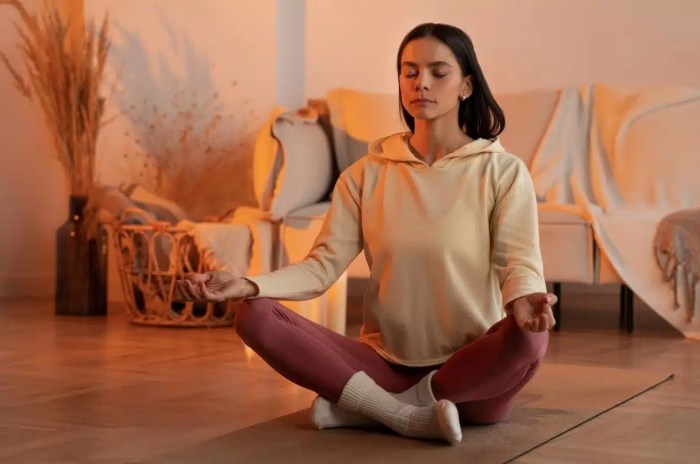
Body scan meditation is a mindfulness practice that involves systematically focusing on different parts of the body, bringing attention to each area to promote relaxation and awareness. This practice helps to release tension, reduce stress, and increase mind-body connection.
Process of Body Scan Meditation
- Find a comfortable position, either sitting or lying down, and close your eyes.
- Begin by focusing on your breath, allowing it to help you relax and center your awareness.
- Slowly shift your attention to different parts of your body, starting from the top of your head and moving down to your toes.
- As you scan each body part, notice any sensations without judgment, and gently release any tension you may feel.
- Continue this process, taking your time to fully experience the relaxation and connection with each part of your body.
Benefits of Body Scan Meditation
- Helps to release physical tension and promote relaxation throughout the body.
- Increases awareness of bodily sensations, leading to a deeper mind-body connection.
- Can reduce stress and anxiety by calming the nervous system and promoting a sense of peace.
- Improves overall well-being and emotional balance by fostering a sense of self-care and self-awareness.
Connection with Stress Relief
- Body scan meditation allows you to tune into your body’s signals of stress and tension, helping you release and let go of negative energy.
- By systematically relaxing each body part, you can alleviate physical discomfort and mental agitation, leading to a more peaceful state of mind.
- Regular practice of body scan meditation can help you develop a greater sense of mindfulness and resilience in dealing with daily stressors.
- Overall, body scan meditation is a powerful tool for managing stress and promoting a harmonious balance between body and mind.
Visualization Exercises
Visualization is a powerful tool that can enhance your meditation practice by engaging your imagination to create calming and relaxing mental images. By incorporating visualization into your 10-minute meditation routine, you can promote a sense of peace and tranquility within yourself.
The Power of Imagination in Meditation
Visualization taps into the power of your imagination to transport you to a serene and peaceful mental space. By picturing soothing scenes or scenarios in your mind, you can reduce stress, anxiety, and tension, allowing your body and mind to unwind and relax.
- Imagine yourself in a tranquil garden, surrounded by beautiful flowers and gentle breezes.
- Visualize a peaceful beach at sunset, with the sound of waves lapping against the shore.
- Picture yourself floating on a cloud, weightless and free from worries.
Examples of Visualizations for Stress-Free Living
Engaging in specific visualizations during meditation can help you achieve a state of calmness and relaxation. Here are some examples of visualizations that you can incorporate into your 10-minute meditation practice:
- Imagine a warm, golden light enveloping your entire body, filling you with warmth and positivity.
- Visualize a stream of water washing away all your stress and tension, leaving you feeling refreshed and rejuvenated.
- Picture yourself walking through a lush forest, breathing in the fresh air and feeling connected to nature.
Setting the Right Environment
Creating a peaceful space for meditation is crucial in fostering a calming and conducive atmosphere for your practice. The environment in which you meditate can greatly impact the effectiveness of your meditation sessions. Here are some tips on how to set up the right environment for a 10-minute meditation:
Tips for Creating a Conducive Environment
- Avoid distractions: Find a quiet space where you won’t be interrupted during your meditation. Turn off your phone and any other electronic devices.
- Comfortable seating: Choose a comfortable chair or cushion to sit on during your meditation. Make sure your posture is upright but relaxed.
- Lighting: Dim the lights or use candles to create a soft, calming ambiance. Natural light can also be beneficial if possible.
- Temperature: Ensure the room is at a comfortable temperature. You don’t want to be too hot or too cold during your meditation.
- Aromatherapy: Consider using essential oils or incense to create a soothing scent in the room. Lavender, chamomile, or sandalwood are popular choices for relaxation.
Impact of Surroundings on Meditation, 10-Minute Meditation Exercises for Stress-Free Living
The surroundings play a significant role in the effectiveness of your meditation practice. A peaceful and harmonious environment can help you relax, focus, and deepen your practice. On the other hand, a noisy or cluttered space can be distracting and hinder your ability to fully engage in meditation. By setting up the right environment, you are creating a supportive space that enhances your overall meditation experience.
Overcoming Common Challenges
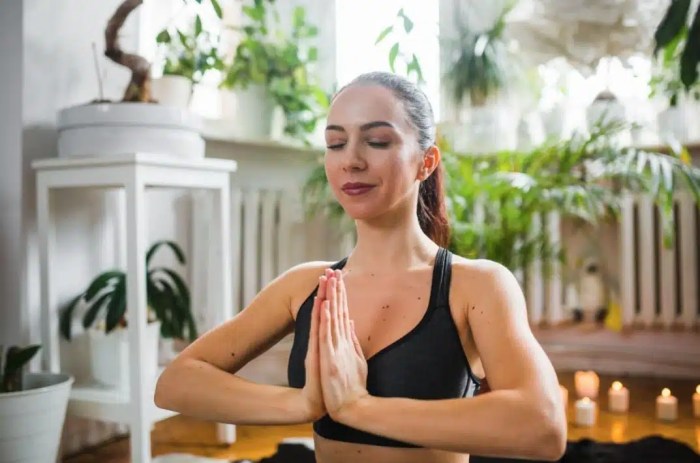
In the journey of practicing 10-minute meditations for stress-free living, it is common to face challenges that may hinder your focus and progress. However, with the right strategies and mindset, these obstacles can be overcome to experience the full benefits of meditation.
Distractions and Maintaining Focus
During short meditation sessions, distractions such as external noises, wandering thoughts, or physical discomfort may arise, making it difficult to stay focused. To overcome these challenges, try the following strategies:
- Acknowledge distractions without judgment and gently guide your focus back to your breath or mantra.
- Practice active listening to noises or thoughts without attaching to them, allowing them to pass by like clouds in the sky.
- Utilize grounding techniques such as focusing on the sensations of your body or the present moment to anchor your attention.
- Experiment with different meditation styles or techniques to find what works best for you and keeps you engaged.
Significance of Consistency
Consistency is key in reaping the benefits of 10-minute meditations. By establishing a regular practice, you allow yourself to deepen your focus, cultivate mindfulness, and experience long-term effects on your overall well-being. To maintain consistency, consider the following:
- Schedule your meditation sessions at the same time each day to build a routine and make it a habit.
- Start with manageable goals and gradually increase the duration or frequency of your meditation practice as you progress.
- Track your progress and celebrate small victories to stay motivated and committed to your practice.
- Create a dedicated meditation space that is free from distractions and promotes a sense of calm and relaxation.
Concluding Remarks
In conclusion, integrating these 10-minute meditation exercises into your daily life can lead to a significant reduction in stress levels and an overall sense of well-being. By making mindfulness a priority, you can achieve a more peaceful and balanced state of mind.