7 Meditation Practices to Cultivate Patience takes center stage as we dive into a world of mindfulness and self-discovery. Let’s explore how these practices can transform your patience levels and enhance your well-being.
Discover the essence of mindfulness, loving-kindness, walking, body scan, visualization, and breath awareness meditations in this insightful journey towards a more patient and grounded self.
Introduction to Meditation Practices
Meditation practices involve techniques that help individuals focus their mind and achieve a state of mental clarity and emotional calmness. These practices have been used for centuries to promote relaxation, reduce stress, and enhance overall well-being.Patience is a key component of meditation, as it requires individuals to be present in the moment and accept things as they are without judgment or attachment.
By cultivating patience through meditation, individuals can learn to let go of impatience, frustration, and the need for immediate results.
Examples of How Meditation Can Cultivate Patience
- 1. Mindfulness Meditation: By practicing mindfulness, individuals can observe their thoughts and emotions without reacting impulsively. This helps in developing patience by allowing them to acknowledge the present moment and respond calmly.
- 2. Loving-Kindness Meditation: This practice involves sending wishes of love and compassion to oneself and others. Cultivating kindness and compassion can increase patience towards oneself and others in challenging situations.
- 3. Breath Awareness Meditation: Focusing on the breath can help individuals stay grounded and patient in the face of distractions or discomfort. This practice teaches individuals to observe their breath without judgment, promoting patience and resilience.
Mindfulness Meditation
Mindfulness meditation involves focusing on the present moment without judgment, allowing thoughts and feelings to come and go without getting caught up in them. It helps to increase self-awareness and reduce stress and anxiety.
Techniques within Mindfulness Meditation for Promoting Patience
- Body Scan: By systematically focusing on different parts of the body, one can become more aware of physical sensations and learn to patiently observe any discomfort or tension without reacting impulsively.
- Deep Breathing: Paying attention to the breath can help anchor the mind in the present moment, allowing one to cultivate patience by observing the natural rhythm of inhalation and exhalation.
- Walking Meditation: Practicing mindfulness while walking can help develop patience by focusing on each step, the sensations in the feet, and the movement of the body without rushing or becoming impatient.
Benefits of Practicing Mindfulness Meditation for Cultivating Patience
- Increased Emotional Regulation: Mindfulness meditation can help individuals respond to challenging situations with more patience and equanimity, rather than reacting impulsively out of frustration or anger.
- Improved Stress Management: By cultivating a non-judgmental awareness of thoughts and emotions, mindfulness meditation can reduce stress levels and help individuals approach difficulties with a calmer and more patient mindset.
- Enhanced Self-Control: Regular practice of mindfulness meditation can strengthen self-control and impulse regulation, allowing individuals to pause and respond thoughtfully rather than reacting impulsively in moments of impatience.
Loving-Kindness Meditation

Loving-kindness meditation, also known as metta meditation, is a practice focused on cultivating feelings of love, compassion, and goodwill towards oneself and others. It involves repeating phrases or mantras that promote feelings of kindness and empathy.Loving-kindness meditation can help in developing patience by shifting your focus from negative emotions like frustration and anger towards more positive and compassionate feelings. By cultivating a sense of love and understanding towards oneself and others, you can learn to approach challenging situations with a calmer and more patient mindset.
Examples of Loving-Kindness Meditation Practices for Cultivating Patience
- Begin by sitting in a comfortable position and focusing on your breath. As you inhale, silently repeat phrases such as “May I be patient and understanding.” With each exhale, visualize sending these wishes of patience to yourself and others.
- Expand your practice by including specific individuals in your meditation. Repeat phrases like “May [person’s name] be patient and at ease” while sending thoughts of kindness and patience towards them.
- Incorporate challenging situations into your meditation practice. Visualize a difficult scenario where you usually struggle to remain patient, and practice sending loving-kindness towards yourself and others involved.
Walking Meditation
Walking meditation is a mindfulness practice that involves focusing on the act of walking itself. It can help cultivate patience by encouraging individuals to slow down, be present in the moment, and observe their surroundings without judgment. This practice can increase self-awareness, reduce stress, and improve overall well-being.
Benefits of Walking Meditation, 7 Meditation Practices to Cultivate Patience
- Enhances mindfulness and presence
- Improves focus and concentration
- Promotes relaxation and stress reduction
- Increases patience and emotional regulation
How to Practice Walking Meditation for Patience
- Find a quiet and safe place to walk, either indoors or outdoors.
- Begin by standing still and taking a few deep breaths to center yourself.
- Start walking at a slow and steady pace, paying attention to each step you take.
- Focus on the sensations in your body as you walk – the feeling of your feet touching the ground, the movement of your legs, and your breath.
- If your mind starts to wander, gently bring your attention back to the act of walking.
- Practice gratitude and patience by acknowledging each step and being present in the moment.
- Continue walking for a set amount of time or until you feel more calm and centered.
Personal Experience with Walking Meditation and Patience
During a particularly stressful time in my life, I turned to walking meditation to help me find some peace and patience. I would take short walks in nature, focusing on the sounds of birds chirping and the feeling of the breeze on my skin. This practice helped me slow down, let go of my worries, and cultivate a sense of patience that carried me through difficult moments.
Body Scan Meditation
Body scan meditation is a mindfulness practice that involves focusing on different parts of the body, one at a time, and bringing awareness to any sensations or feelings present in that area. This practice helps in developing a deep connection between the mind and body, promoting relaxation and stress relief.Body scan meditation can contribute to patience by increasing self-awareness and promoting a sense of calmness.
By tuning into the sensations in each part of the body, individuals can learn to recognize and release any tension or discomfort they may be holding onto. This process helps in cultivating patience as it teaches individuals to observe their bodily sensations without reacting impulsively, thus promoting a more composed and patient response to challenging situations.
Guide to Performing Body Scan Meditation for Cultivating Patience
- Find a comfortable and quiet place to sit or lie down, where you can fully relax and focus on your body.
- Start by bringing your attention to your breath, taking deep breaths in and out to center yourself.
- Begin the body scan by directing your focus to your toes, noticing any sensations such as tingling, warmth, or tension. Take a few breaths to acknowledge these sensations before moving on to the next body part.
- Continue scanning each part of your body, moving upwards from your feet to your head. Notice any areas of tension or discomfort and breathe into those areas to release any stress or tightness.
- As you progress through the body scan, remember to maintain a sense of curiosity and non-judgment towards the sensations you experience.
- After completing the scan, take a few moments to reflect on how your body feels as a whole and the sense of calmness that arises from this practice.
Visualization Meditation
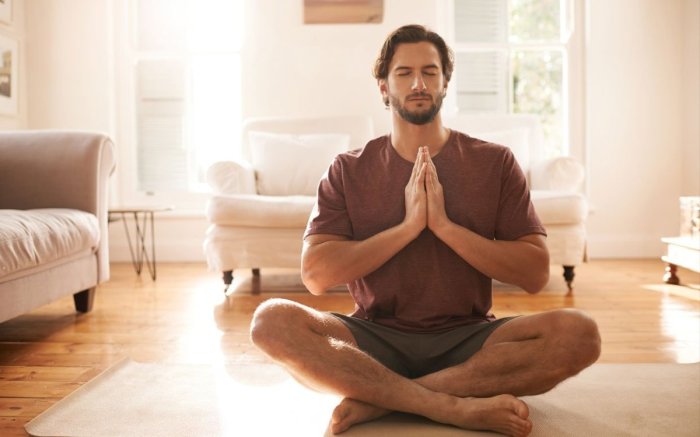
Visualization meditation is a technique that involves creating vivid mental images to promote relaxation, focus, and mindfulness. By visualizing specific scenes or scenarios, individuals can calm their minds, reduce stress, and enhance their overall well-being. In the context of developing patience, visualization meditation can be a powerful tool to cultivate a sense of inner peace and resilience in the face of challenges.
Visualization Techniques for Cultivating Patience
- Imagine yourself surrounded by a bubble of calm and serenity, allowing any feelings of impatience or frustration to dissipate.
- Visualize a peaceful natural setting, such as a tranquil forest or a serene beach, and immerse yourself in the sights, sounds, and sensations of that environment.
- Picture a scenario in which you respond to a triggering situation with patience and compassion, visualizing yourself maintaining a sense of calm and understanding.
Effectiveness of Visualization Meditation in Developing Patience
Visualization meditation can be highly effective in developing patience by helping individuals shift their mindset and perspective. By regularly practicing visualization techniques focused on patience and resilience, individuals can rewire their brain to respond to challenges with greater composure and understanding. This form of meditation empowers individuals to cultivate a sense of inner strength and emotional balance, enabling them to navigate difficult situations with grace and equanimity.
Breath Awareness Meditation
Breath awareness meditation involves focusing on the breath as a way to anchor yourself in the present moment and cultivate mindfulness. By paying attention to the rhythm of your breath, you can develop a deeper awareness of your thoughts, emotions, and bodily sensations.
Breathing Exercises for Building Patience
- Deep Breathing: Take slow, deep breaths in through your nose, filling your lungs completely, and exhale slowly through your mouth. Repeat this for a few minutes to calm your mind and increase patience.
- Counted Breaths: Inhale deeply and count to four, then exhale slowly while counting to six. Focus on the counting to keep your mind from wandering and build patience.
- Rhythmic Breathing: Establish a steady rhythm for your breath – inhale for a count of three, hold for a count of two, and exhale for a count of four. This pattern can help regulate emotions and enhance patience.
Connection between Focused Breathing and Developing Patience
Focused breathing in breath awareness meditation helps train the mind to concentrate on the present moment, letting go of distractions and promoting a sense of calm. This practice allows you to observe your thoughts without judgment and respond to challenging situations with patience and equanimity.
Closing Notes: 7 Meditation Practices To Cultivate Patience
Embrace the power of meditation as a tool to nurture patience and inner peace. By incorporating these practices into your daily routine, you can cultivate a sense of calm and resilience in the face of life’s challenges. Start your meditation journey today and witness the transformation within yourself.