10 Effective Meditation Techniques for Better Sleep sets the stage for this enthralling narrative, offering readers a glimpse into a story that is rich in detail with modern life tausiyah style and brimming with originality from the outset.
Embark on a journey to discover the transformative power of meditation in improving your sleep quality. From mindfulness to body scan techniques, explore how these practices can calm your mind and relax your body for a restful night’s sleep.
Introduction to Meditation for Better Sleep
Meditation is a powerful practice that can significantly improve the quality of your sleep. By incorporating meditation into your bedtime routine, you can experience a range of benefits that contribute to a more restful and rejuvenating night’s rest.
Importance of Meditation for Better Sleep
Meditation helps calm the mind and relax the body, providing a natural way to ease into a state of deep relaxation before bedtime. This can help reduce stress, anxiety, and racing thoughts that often keep us awake at night.
Benefits of Incorporating Meditation into Bedtime Routines
- Improved sleep quality
- Reduced insomnia and sleep disturbances
- Enhanced relaxation and stress relief
- Increased mindfulness and awareness
- Promotion of a sense of calm and peace
How Meditation Can Help Calm the Mind and Relax the Body Before Sleep
Meditation techniques such as deep breathing, body scan, and guided imagery can help release tension from the body and quiet the mind, making it easier to transition into a restful slumber. By focusing on the present moment and letting go of worries, meditation creates a tranquil environment conducive to falling asleep naturally.
Mindfulness Meditation
Mindfulness meditation is a practice that involves focusing on the present moment without judgment. It can play a significant role in promoting better sleep by calming the mind and reducing stress and anxiety levels before bedtime.
Mindfulness Techniques for Better Sleep
- Body Scan: Start by focusing on each part of your body, from head to toe, noticing any tension and releasing it as you breathe deeply.
- Deep Breathing: Concentrate on your breath, taking slow, deep breaths in and out to help relax your body and mind.
- Loving-Kindness Meditation: Extend feelings of love and compassion towards yourself and others, promoting relaxation and positive emotions.
- Guided Imagery: Visualize a peaceful and calming place, engaging your senses to create a serene mental environment.
Benefits of Mindfulness Meditation for Better Sleep
Mindfulness meditation can help reduce racing thoughts and anxiety at night by shifting the focus away from worries and stressors, allowing the mind to rest and prepare for sleep.
Body Scan Meditation
Body scan meditation is a mindfulness practice that involves focusing on different parts of the body to help release tension, promote relaxation, and ultimately aid in falling asleep faster.
Step-by-step Process of Conducting Body Scan Meditation:
- Find a comfortable position either sitting or lying down.
- Start by bringing your attention to your breath, taking deep, slow breaths.
- Direct your focus to different parts of your body, starting from your toes and moving upwards.
- As you focus on each body part, notice any tension or discomfort, and consciously release it with each exhale.
- Continue scanning and releasing tension in each part of your body until you reach the top of your head.
- Finally, take a few moments to feel the overall sense of relaxation and calmness in your body.
Benefits of Body Scan Meditation:
- Helps in identifying and releasing physical tension stored in different body parts.
- Promotes relaxation by bringing awareness to areas of the body that are holding stress.
- Enhances bodily awareness and mindfulness, leading to improved sleep quality and overall well-being.
- Can be a useful tool for those struggling with insomnia or difficulty falling asleep.
Guided Meditation for Sleep
Guided meditation for sleep is a popular technique that involves listening to a trained practitioner or recorded audio that leads you through a series of calming visualizations and relaxation exercises. This form of meditation can be highly effective in helping individuals relax their minds and bodies, making it easier to drift off to sleep peacefully.
Effectiveness and Benefits
- Guided meditation provides a structured approach to meditation, making it easier for beginners to follow along and stay focused.
- It can help individuals release stress and anxiety, which are common barriers to falling asleep.
- By listening to soothing voices and calming music, guided meditation creates a peaceful environment conducive to sleep.
Sources for Guided Meditation Scripts and Recordings
- Popular meditation apps like Headspace, Calm, and Insight Timer offer a wide range of guided meditations specifically designed for sleep.
- YouTube channels dedicated to meditation often feature guided sleep meditations that you can listen to for free.
- Websites like Mindful.org and UCLA’s Mindful Awareness Research Center provide free guided meditation scripts for sleep.
Creating a Soothing Environment
Guided meditation can create a soothing environment for sleep by incorporating elements like gentle music, nature sounds, and calming visualizations. The guided instructions help individuals let go of racing thoughts and worries, allowing them to relax deeply and prepare for a restful night’s sleep.
Breathing Techniques for Sleep
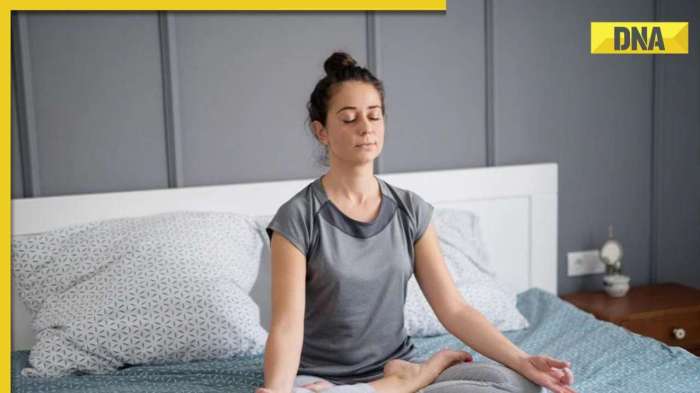
Breathing exercises are a powerful tool to help calm the mind and signal the body that it’s time to wind down for sleep. By focusing on specific breathing patterns, you can activate the body’s relaxation response and promote a restful night’s sleep.
Deep Breathing
Deep breathing involves taking slow, deep breaths to help relax the body and mind. This technique can be practiced by inhaling deeply through the nose, holding the breath for a few seconds, and then exhaling slowly through the mouth. Repeat this process several times to help calm the nervous system and prepare for sleep.
4-7-8 Breathing Technique
The 4-7-8 breathing technique is a simple yet effective method to promote relaxation and improve sleep quality. This technique involves inhaling for a count of 4, holding the breath for a count of 7, and exhaling for a count of 8. By following this pattern, you can slow down your breathing rate and activate the body’s relaxation response.
Alternate Nostril Breathing
Alternate nostril breathing is a yogic breathing technique that can help balance the body’s energy and promote relaxation. To practice this technique, use your thumb to close one nostril while inhaling through the other nostril. Then, switch nostrils and exhale through the opposite nostril. Repeat this process several times to help calm the mind and prepare for sleep.
Visualization Meditation

Visualization meditation is a powerful technique that involves creating mental images to promote relaxation, reduce stress, and improve sleep quality. By visualizing peaceful scenes or positive outcomes, individuals can calm their minds and create a sense of tranquility before bedtime.
Benefits of Visualization Meditation for Sleep
- Enhances relaxation and reduces anxiety levels
- Promotes a sense of calmness and peace
- Helps in shifting focus from racing thoughts to soothing images
- Aids in improving overall sleep quality and duration
Examples of Visualizations for Better Sleep
- Imagining a serene beach with gentle waves and a colorful sunset
- Visualizing a peaceful forest with sunlight streaming through the trees
- Picturing a cozy cabin by a crackling fireplace on a snowy evening
- Envisioning a field of flowers swaying in the breeze under a clear sky
Reducing Stress and Promoting Calmness
Visualization meditation can significantly reduce stress levels by allowing individuals to focus on positive and soothing mental images. This practice helps in quieting the mind, releasing tension, and creating a harmonious mental space conducive to falling asleep peacefully.
Progressive Muscle Relaxation
Progressive Muscle Relaxation (PMR) is a relaxation technique that involves tensing and then relaxing each muscle group in the body. This method helps release physical tension, reduce stress, and promote relaxation, making it an effective tool for improving sleep quality.
Step-by-Step Guide for Performing Progressive Muscle Relaxation Exercises, 10 Effective Meditation Techniques for Better Sleep
- Find a quiet and comfortable place to sit or lie down.
- Start by taking a few deep breaths to relax your mind and body.
- Focus on one muscle group at a time, starting from your toes and working your way up to your head.
- Tense each muscle group for about 5-10 seconds, then release and relax for 20-30 seconds.
- Pay attention to the sensations of tension and relaxation in each muscle group.
- Continue this process until you have tensed and relaxed all major muscle groups in your body.
Benefits of Progressive Muscle Relaxation for Sleep
Progressive Muscle Relaxation can help release physical tension accumulated throughout the day, allowing the body to enter a state of deep relaxation. By systematically relaxing each muscle group, PMR can reduce stress, alleviate anxiety, and calm the mind, creating optimal conditions for falling asleep. This technique has been shown to improve sleep quality and can be a valuable addition to a bedtime routine for those struggling with insomnia or restless nights.
Loving-Kindness Meditation
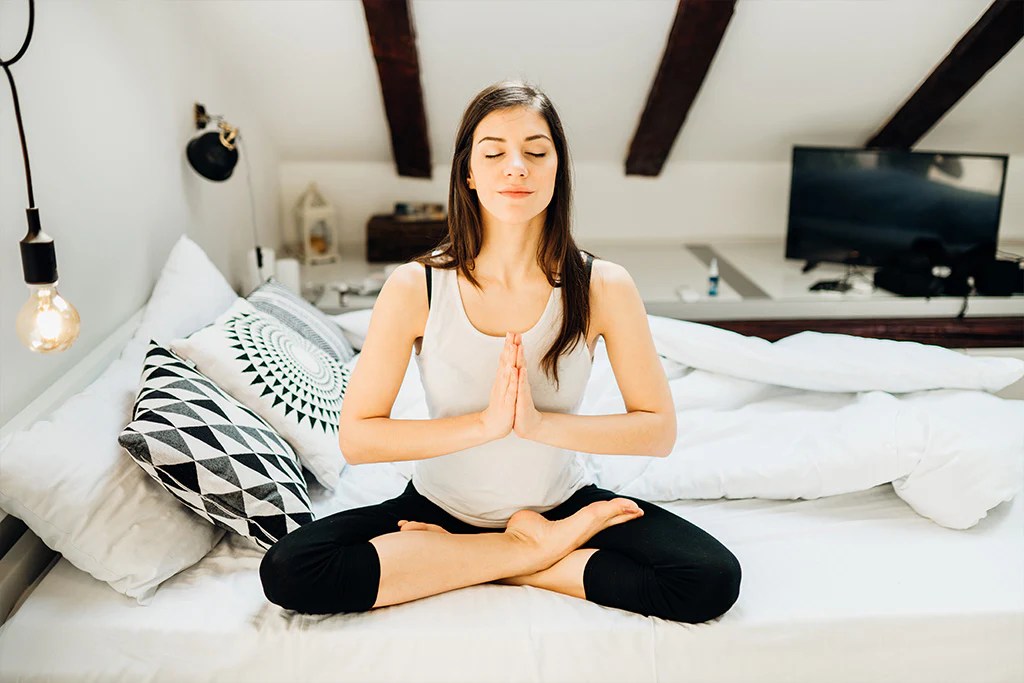
Loving-Kindness Meditation, also known as Metta meditation, is a practice that involves generating feelings of love, compassion, and goodwill towards oneself and others. This technique aims to cultivate positive emotions and foster a sense of interconnectedness with all beings.Practicing loving-kindness meditation before sleep can have a profound impact on improving overall sleep satisfaction. By focusing on feelings of kindness and compassion, individuals can shift their mindset from stress and negativity to a more positive and peaceful state.
This shift in perspective can help calm the mind, reduce anxiety, and promote relaxation, leading to a more restful and rejuvenating sleep experience.Cultivating feelings of kindness and compassion through loving-kindness meditation has been linked to better sleep outcomes. Research has shown that individuals who regularly practice Metta meditation experience improvements in sleep quality, reduced insomnia symptoms, and increased feelings of well-being.
By nurturing a mindset of kindness and empathy, individuals are better able to let go of negative thoughts and emotions that may interfere with their ability to fall asleep and stay asleep throughout the night.
Chanting or Mantra Meditation: 10 Effective Meditation Techniques For Better Sleep
Chanting or mantra meditation involves the repetition of a soothing word, phrase, or sound to calm the mind and induce a state of relaxation. This practice can be particularly beneficial for promoting better sleep by quieting the mind and reducing stress and anxiety levels.
Examples of Calming Chants or Mantras
- Om: A powerful and universal mantra that is believed to represent the sound of the universe.
- Shanti: This Sanskrit word translates to “peace” and can help cultivate a sense of calm and tranquility.
- So Hum: A mantra that aligns with the natural rhythm of the breath, translating to “I am that.”
How Chanting or Mantra Meditation Promotes Sleep
Chanting or repeating a mantra before bedtime can help shift your focus away from racing thoughts and worries, allowing you to relax and prepare for sleep. The rhythmic repetition of a calming chant can create a meditative state that eases the mind and body into a more peaceful and restful state. By incorporating chanting or mantra meditation into your bedtime routine, you can enhance your ability to unwind and improve the quality of your sleep.
Yoga Nidra
Yoga Nidra is a powerful meditative practice that promotes deep relaxation and is highly effective in enhancing the quality of sleep. This ancient technique involves a state of conscious relaxation that leads to complete physical, mental, and emotional relaxation.
Key Components of Yoga Nidra Session for Better Sleep
- Start by finding a comfortable position lying down on your back, with arms and legs slightly apart.
- Focus on your breath and set a clear intention for the practice, such as improving sleep quality and relaxation.
- Follow the guided instructions to bring awareness to different parts of your body, releasing tension and promoting relaxation.
- Engage in visualization techniques to create a sense of tranquility and calmness, preparing the mind and body for deep sleep.
Benefits of Yoga Nidra for Sleep
- Reduces stress and anxiety levels, allowing the body to enter a state of deep relaxation conducive to sleep.
- Enhances overall sleep quality, leading to more restful and rejuvenating sleep patterns.
- Improves mental clarity and focus by calming the mind and promoting a sense of inner peace.
- Helps in the release of physical tension and promotes relaxation of muscles, aiding in a deeper and more restorative sleep.
End of Discussion
As we conclude this exploration of meditation techniques for better sleep, remember that incorporating these practices into your bedtime routine can lead to a more peaceful and rejuvenating sleep experience. Embrace the power of meditation to enhance your overall well-being and enjoy a deep, restorative rest each night.